

Physical Games Were Never Just About the Games
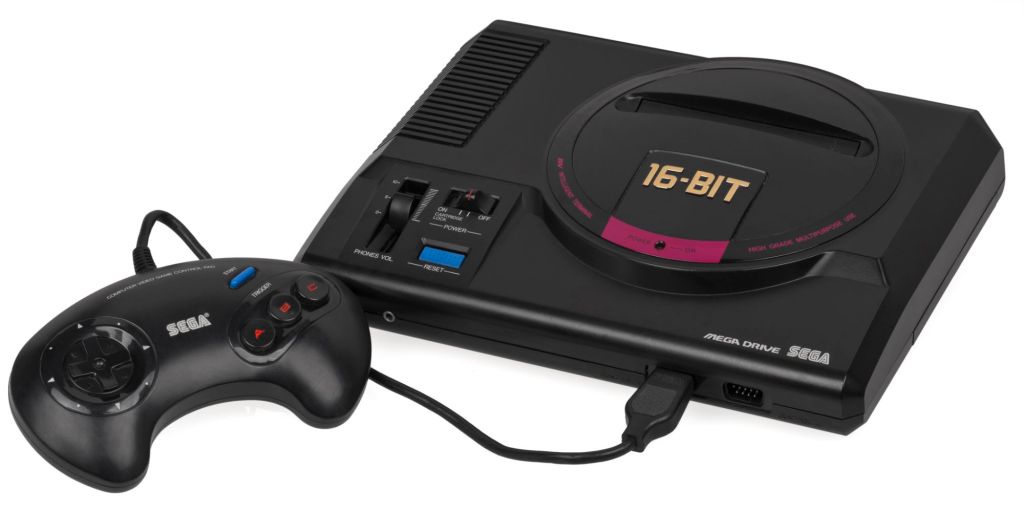
One of my earliest gaming memories is me and my childhood best friend, William, spending hours playing Street Fighter II at my house or Aladdin at his. Both were on the Sega Genesis—or, as us UK and Irish gamers knew it, the Mega Drive. We’d spend hours battling each other before swapping cartridges, making it feel like we each owned twice as many games.
In the early 2000s, I couldn’t have cared less about real-time strategy games until I cycled over to my mate Phil’s house and watched him play Age of Empires II. Guys, I became absolutely obsessed. Then there was my friend Pedram—yes, that’s really his name—who lent me Pokémon Red. Looking back, that single act genuinely changed my life.
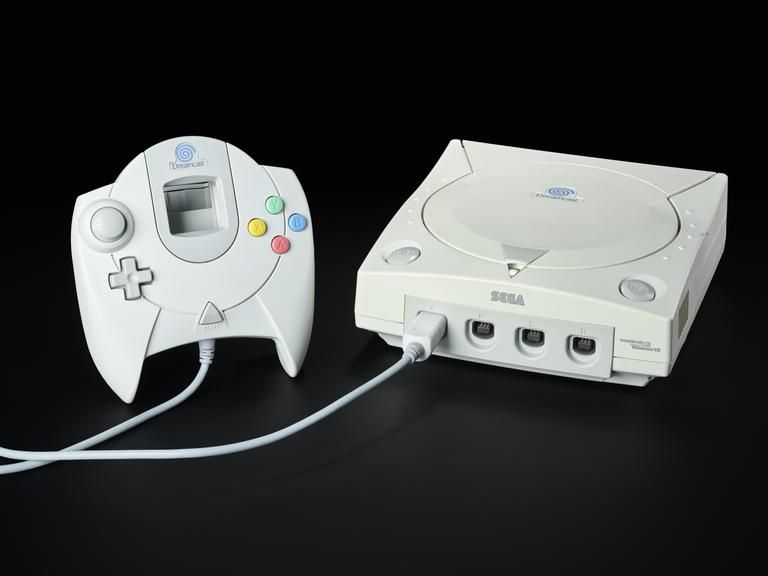
The same thing happened during the Dreamcast era. My mate Mike and I were constantly swapping games. Neither of us could afford every new release, but together we could plan our purchases and share them. It wasn’t just economical—it brought us closer. Having something to share created memories and strengthened our friendship.
The psychology backs this up too. Research has shown that sharing strengthens social bonds, encourages trust and vulnerability, and helps create a sense of belonging. As a man, I can’t help but wonder whether this is one of the reasons so many young men—particularly nerdy ones—feel more isolated today. We don’t build those same shared experiences as often as we used to.
Sharing teaches empathy, encourages respect for other people’s property, and creates a shared identity within a group. If you were a millennial lad before Pornhub existed, you probably knew that kid who somehow had a “naughty VHS” that mysteriously got passed around the entire friend group. For us, it was Wild Things. And, for the record, it’s still a pretty good film.

So why am I talking about old games and boobs?
Because watching companies like Sony move further away from physical media genuinely makes me sad.
We can’t casually lend games to our mates the way we once did. Part of the reason I ended up playing World of Warcraft for over ten years is because my friend Brian lent me Warcraft II. I’m sure I’m far from the only person whose gaming journey started because a friend shared something they loved.
Whenever this topic comes up, someone inevitably says, “What’s the difference?”
The difference is ownership.
Yes, I know that many modern discs simply act as installation keys, but owning a physical copy still gives you something tangible. Take Scott Pilgrim vs. The World: The Game. I loved it on my Xbox 360. For years it disappeared from digital storefronts, and I couldn’t buy it again on newer platforms. Thankfully, I still had my old Xbox with the game installed. Or look at P.T., arguably the most famous game demo ever made, which is now almost impossible to obtain legally.
When everything is digital, you don’t truly control your library. I know someone who bought the Fast & Furious films through Apple’s digital store and later lost access to certain versions when Apple changed how they were distributed. What’s to stop gaming companies doing something similar with the games we’ve supposedly “bought”?
It sometimes feels as though the industry wants us to own nothing and simply be grateful for access instead. I’m tired of battle passes, always-online requirements, and games launching unfinished only to be patched months later.
And then there’s all the stores dedicated to reselling second hand games, they will eventually die out. Its sad to see an industry die for greed.
I understand that not everything can exist as physical media. Indie games, live-service titles, and digital-only projects all have their place. But there is no reason why major AAA releases can’t continue to offer physical editions.
This doesn’t have to be a binary choice. I buy digital games too. I simply believe players should still have the option to own something they can lend to a friend, put on a shelf, and revisit years later.
Because sometimes, the most important thing you got from a game wasn’t the game itself.
It was the friend who handed it to you.
Categories: Gaming


