


In August 2019 a program called AlphaStar reached Grandmaster rank in StarCraft II and finished above 99.8% of ranked human accounts. A month earlier, a separate lab had beaten six professionals at a card table.
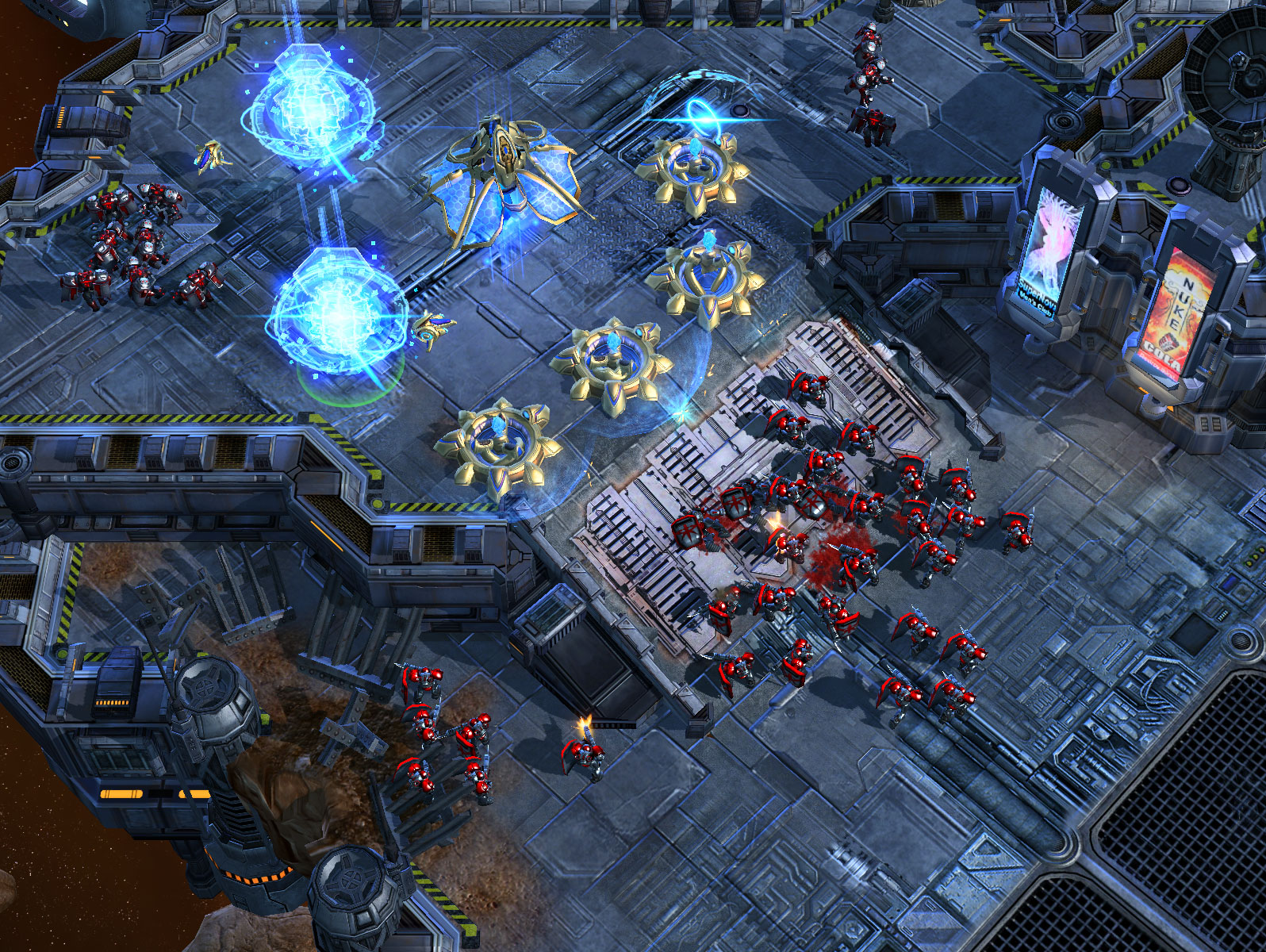
The two results came from different teams working on different problems, and both were reported as breakthroughs for one reason. Neither game shows a competitor the full board. That single property, hidden information, is what makes a real time strategy match and a hand at a card table structurally similar, and it is why the habits a strategy player builds transfer more cleanly than most card players would guess.
Information Costs and Opening Theory
A strategy player who wants to know what an opponent is building has to spend something to find out. A scouting worker costs mining time. A scan costs energy that could have gone to a spell. The information is never free, and the skill is judging when the price is worth paying.
Card players face the same accounting and rarely name it. A call on the flop with a marginal holding buys a turn card and a look at how the opponent bets it. That is a scouting expense. Weak players make the call for the wrong reason, treating it as staying involved, and never ask what the information is worth against what it costs. Strategy players learn to ask that question in their first hundred matches, because the resource counter on screen makes the cost visible. Nothing on a card table performs that function. The chips a player commits to see a turn card leave the stack silently, and the mental accounting has to be done by the person rather than by the interface, which is why the habit takes so much longer to form at a table than on a map.
Competitive strategy play runs on memorized openings. A build order specifies what to construct, in what sequence, at what supply count, for the first four or five minutes. It exists because the opening is a solved problem and improvising through it wastes an advantage the player already owns.
Preflop ranges do the same job at a card table. The correct opening holdings from each position have been worked out, and a player who improvises there is paying a small fee on every hand for no return. Memorizing the solved section frees attention for what is unsolved, which begins the moment an opponent does something unexpected. Both tools remove a category of small errors that compound across a few hundred repetitions, which is the whole of their value.
The Economy Phase
Every strategy match opens with worker production, because a player who attacks before the economy supports it loses to anyone who waited. That habit transfers without modification. Bankroll is the economy, and a session played above it is an early rush with nothing behind it.
The comparison covers time as well as money. Someone playing poker for four hours after a full day of work is spending a resource they never banked, and the outcome looks like an under-built army meeting a defended base.
Action Economy and Decision Volume
The AlphaStar program, which outcompeted nearly all human players on the European ladder, ran under a constraint that matters for anyone who thinks speed is the strategy player’s edge. The agents were capped at 22 actions per 5 seconds, roughly 264 per minute, which is below what elite human players produce in a busy engagement. The program still finished above 99.8% of the ladder.
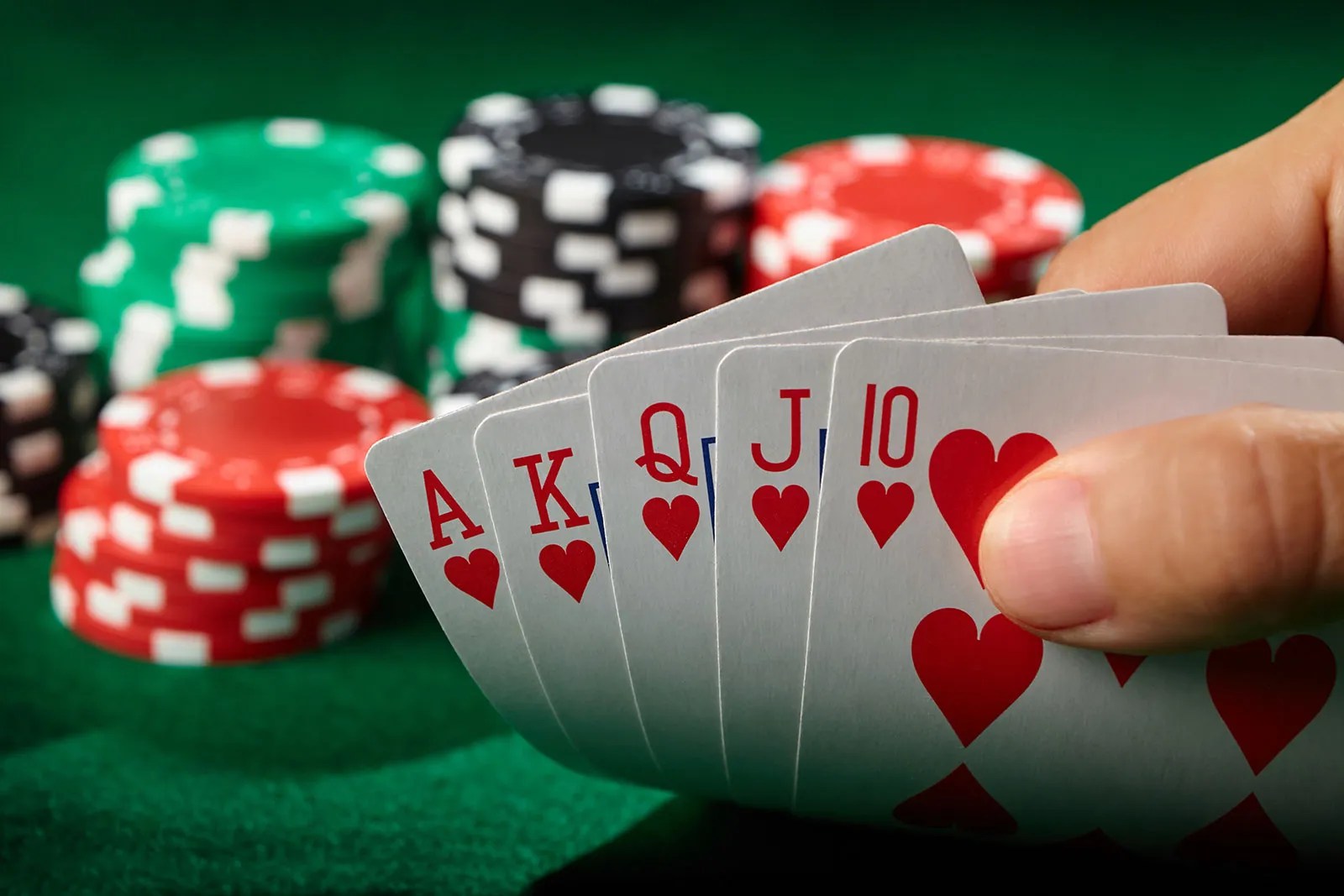
The constraint was deliberate, and it makes a point that applies at a card table. Selection is the variable that decides outcomes. A human strategy player burning 300 actions per minute on redundant unit reselection is producing motion without decisions. A card player who fires three barrels because the hand felt committed is doing that too. Both would improve by making fewer moves and choosing each one more carefully, which is the opposite of what both games reward in a beginner’s imagination.
Adaptation Between Games
Series play is where strategy games teach their hardest lesson. A best-of-five works as one connected contest. Each game hands the loser information about what the opponent likes, and a player who runs the same build three times against an opponent who has now seen it twice is donating the series.
The card equivalent is the orbit. When Carnegie Mellon and Facebook built the six- player system that beats professionals, the behaviour that surprised observers most was its willingness to bet with weak holdings and then change that frequency as the table adjusted. It treated the session as one long series. Most recreational players do the reverse, arriving at each hand with a clean memory, which makes them readable within an hour.
Tilt Control
Strategy games produce a specific failure that card players will recognize. A player loses an army to a bad engagement, then makes three worse decisions in the next 90 seconds trying to recover the loss. The community calls it tilt, and the research literature calls it a failure of emotion regulation, which describes how a person changes which feelings they have and how strongly those feelings drive behavior.
Strategy players have a structural advantage in handling it. A match ends in 20 minutes, the score resets, and the player starts a fresh game with a full economy. A card session has no such boundary, so a bad beat at 9 pm can influence decisions at midnight. The related problem is decision fatigue, the drop in decision quality after prolonged mental effort that Roy Baumeister described as a depletion of self-control. A four-hour session at a table asks for several hundred decisions with no reset between them. The strategy player’s answer, which is to end the game and requeue, is available at a card table too, and it is called leaving.
The Symmetry Problem
The transfer has a boundary, and it is worth naming before anyone overstates the case. Strategy games are symmetric. Both players start from identical resources on an identical map, so an advantage has to be built. A card table is asymmetric by design, and a player can execute every decision correctly for six hours and still finish down. No strategy game prepares anyone for that, and it ends most card careers. The asymmetry runs deeper than a single session. A strategy player who loses a match knows the reason and can watch the replay to find it. A card player who loses a month has no equivalent, since the record shows a result without showing how sound the decisions behind it were. The habits transfer cleanly. The tolerance for being right and losing anyway has to be built somewhere else.
Categories: Gaming


