


Happy St Brigid’s Day, folks.
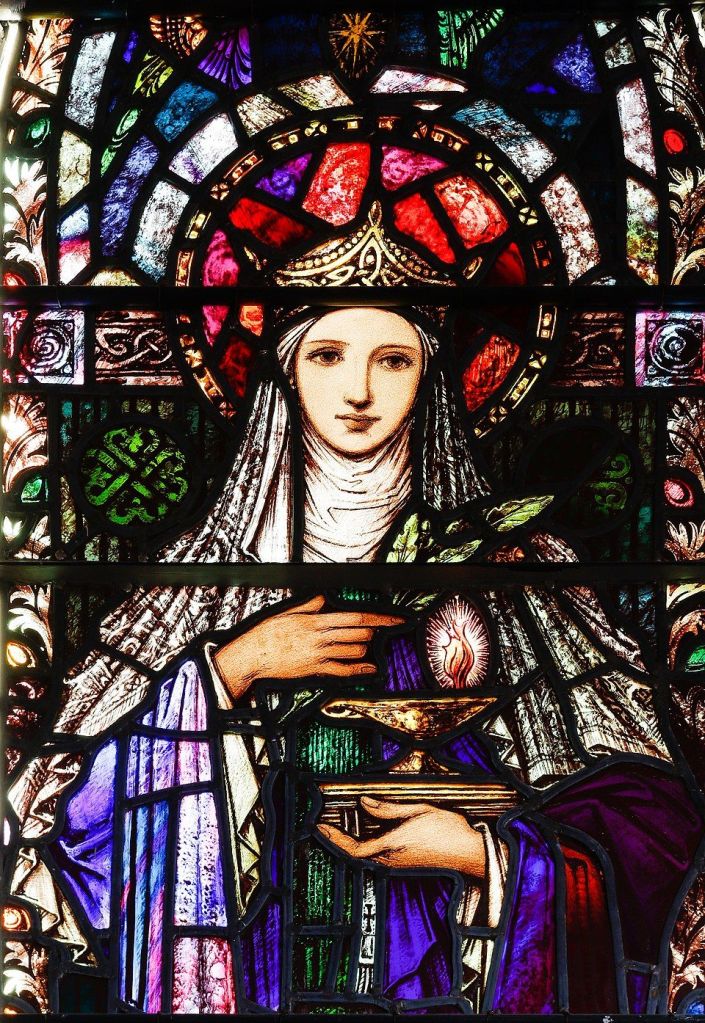
And if you’ve never heard of this Irish festival, let me tell you a little about it—because why shouldn’t I share some of my culture with you? After all, being Irish is about more than just downing pints.
St Brigid of Kildare is one of Ireland’s three national saints, alongside Patrick and Columba. While the exact date of her birth is uncertain, she is believed to have died around 524 AD, on February 1st—the day we still honour her.
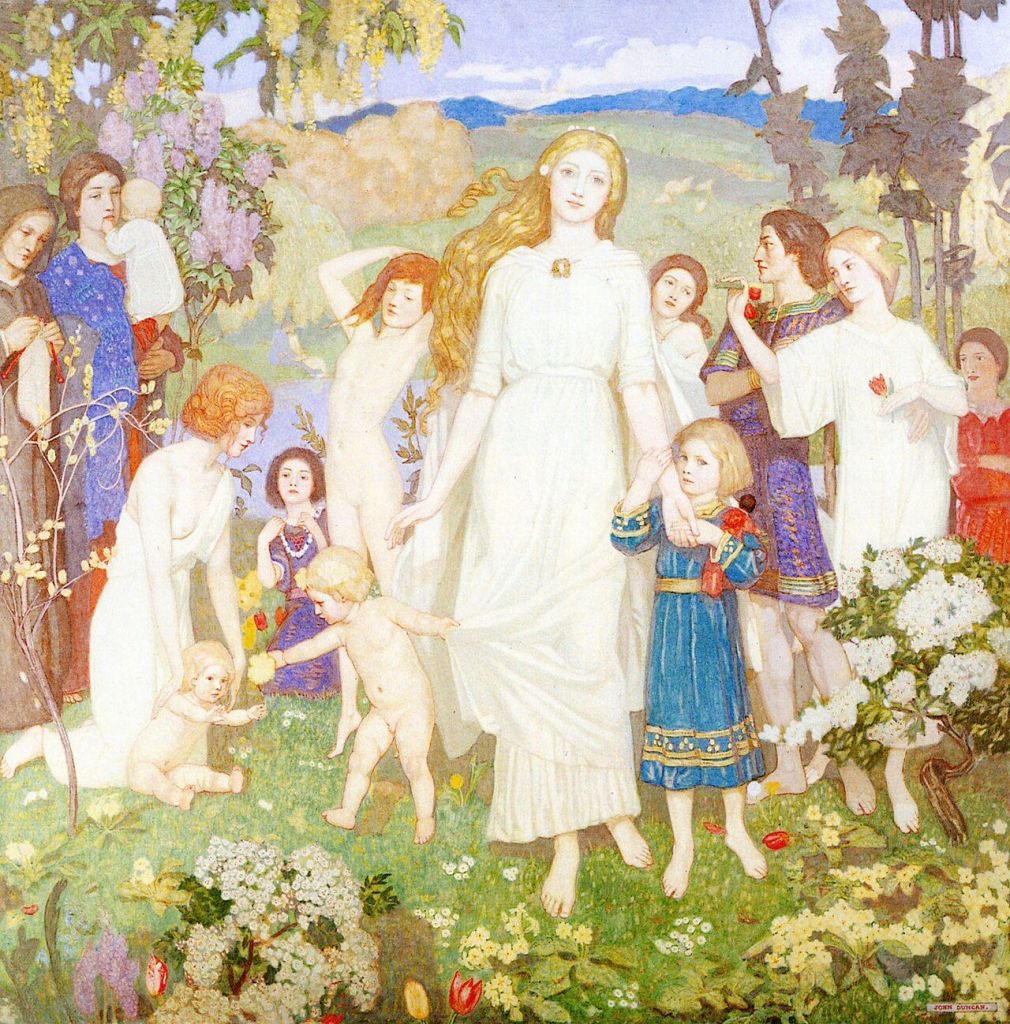
But Brigid doesn’t exist in just one tradition. There is also Brigid the goddess. In pagan Ireland, Brigid was a member of the Tuatha Dé Danann—the “people of the goddess Danu”—a supernatural race in Irish mythology. Her feast day was Imbolc, a festival marking the beginning of spring.
And here’s the important part: these two Brigids are intrinsically linked. When Christianity came to Ireland, it didn’t erase the culture that was already here—it absorbed it. Some will say the goddess never existed; I’ll leave that decision to you. What we do have strong evidence for is the saint.
Many miracles are attributed to St Brigid. One of the most famous tells of her asking the King of Leinster for land to build a convent. When he refused, she asked instead for as much land as her cloak could cover. Amused, the king agreed. Brigid then laid down her cloak and instructed four followers to take a corner each and walk in opposite directions—until the cloak miraculously covered several acres.
Another, more extreme story claims she once gouged out her own eyes to avoid being married off, having already vowed a life of chastity to God. Her sight was later restored upon her ordination.
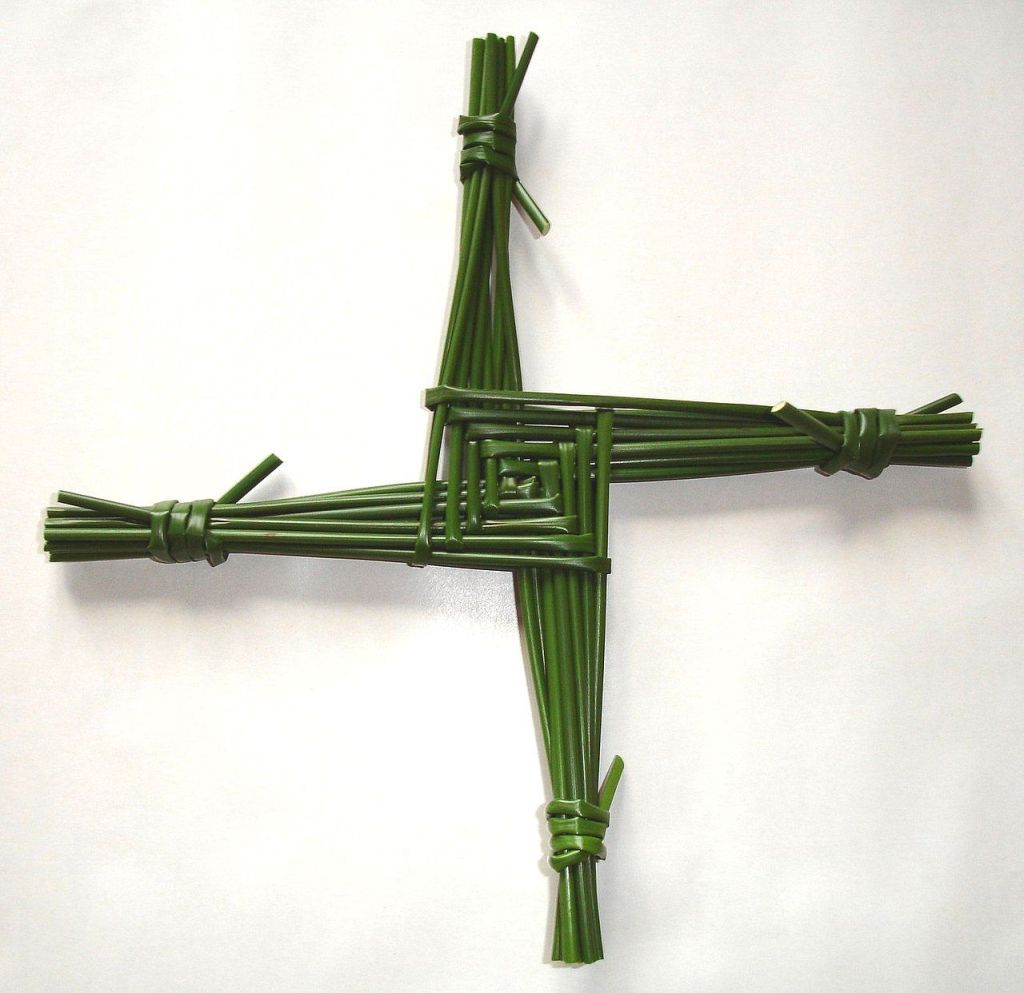
So why do we still celebrate this day? In Celtic folklore, St Brigid’s Day marks the start of spring—a turning point from darkness to light. If you’re looking to celebrate, consider a spring clean, making a Brigid’s cross, lighting a candle on the hearth, or creating some form of art.
I’m no expert—but there are plenty of great resources out there. So have a good day, and may spring bring you joy. 🌱
Categories: Culture, Festival, History, Paranormal


 NERDGEIST