


Content Warning:
This article contains discussion of drug addiction, overdose, and loss. It is written from a personal perspective and includes references to both real-life experiences and fictional portrayals of substance abuse. Reader discretion is advised.
This one sits with me. I’ve unfortunately lost two people in my life to drug use, and I find it genuinely heart-warming that one of my favourite fictional characters was used to promote an anti-drug message.
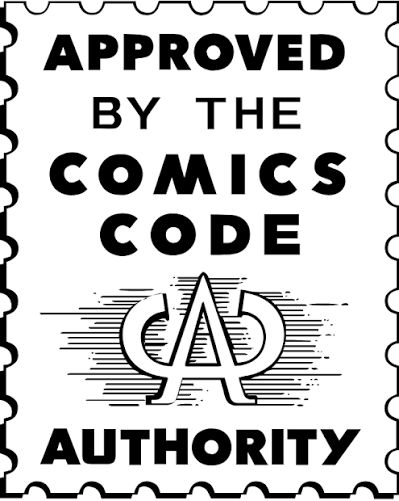
Before we get into this story, we need a bit of background on the Comics Code Authority (CCA). Formed in 1954, the CCA was a self-imposed regulatory body for American comics. It’s now defunct, but at the time it was extremely strict. The code limited how comics could depict violence and crime, horror and the supernatural, sex and nudity, immoral language, immoral behaviour, and even advertising.
For decades, the CCA held enormous influence over what stories could be told in mainstream American comics. Eventually, though, that authority would be challenged — and the challenge came from Marvel.
In 1971, Marvel Comics published The Amazing Spider-Man issues 96–98, a storyline about drug addiction released without CCA approval. The story was commissioned at the request of the U.S. Department of Health, Education, and Welfare, and Marvel initially assumed the CCA would approve it. Instead, the code rejected the issues outright.
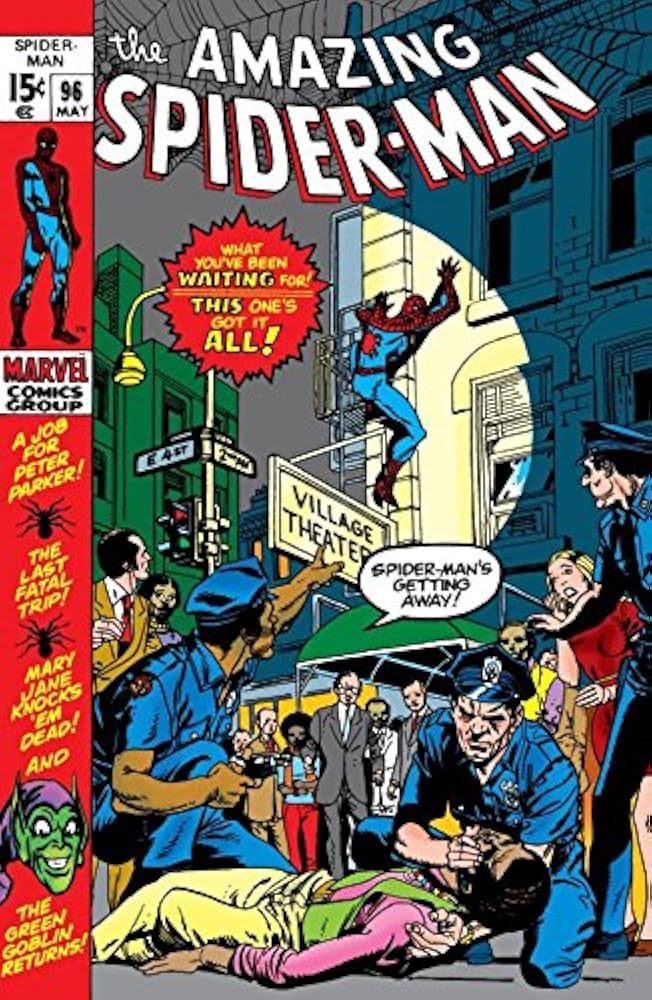
The three-part arc deals with Norman Osborn relapsing into his Green Goblin persona. It opens with a young man, high as a kite, attempting to jump from a rooftop, and it ends with Harry Osborn overdosing. In total, the story confronts addiction three separate times — and the CCA really didn’t like that.
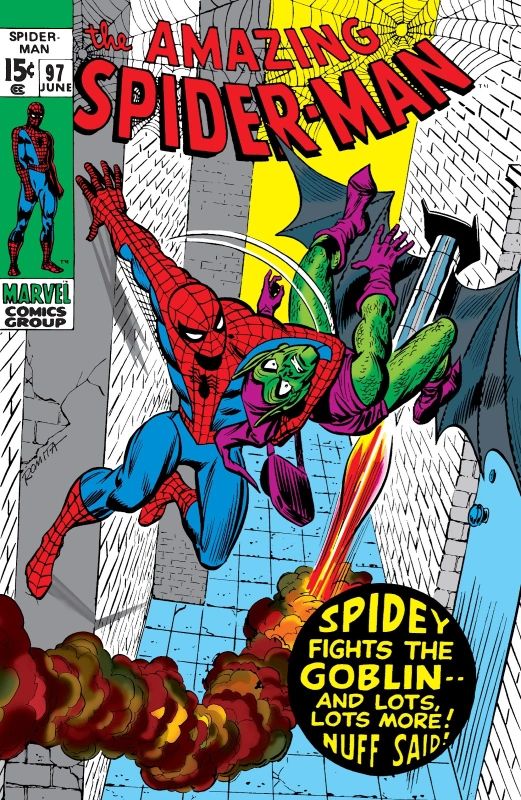
These issues showed how addiction can damage relationships, trigger psychosis, become an unhealthy coping mechanism, and, in the worst cases, lead to death.
It was a bold move by Marvel, even with government endorsement. This was 1971 — a turbulent and darker period in U.S. history. Without CCA approval, Marvel published the story anyway, and retailers chose to carry it.
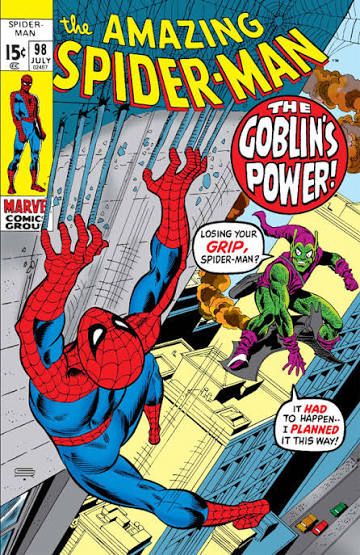
The fallout was significant. In the aftermath, the CCA loosened its restrictions, paving the way for DC Comics to run its own drug-related storylines. The relaxed rules around horror also allowed Marvel to publish titles like Werewolf by Night and The Tomb of Dracula.

All because Spider-Man said drugs were a bad idea — and refused to be quiet about it.
Categories: Comics/Graphic Novels, Culture


 NERDGEIST