


Dungeons & Dragons is often dismissed as escapism. A game about dice, dragons, and pretending to be someone else.
But at the table, something else is happening. D&D doesn’t just help people escape reality — it helps them practice being human. And the mental health benefits? They’re mostly accidental.
It starts with characters. People rarely choose characters at random. They return to the same archetypes because those characters meet emotional needs: a Paladin for moral clarity, a Barbarian for safe anger, a Bard for connection, a Cleric for purpose. Through role-play, players explore values, boundaries, and identity without real-world consequences. You’re not told who to be. You discover what feels right.
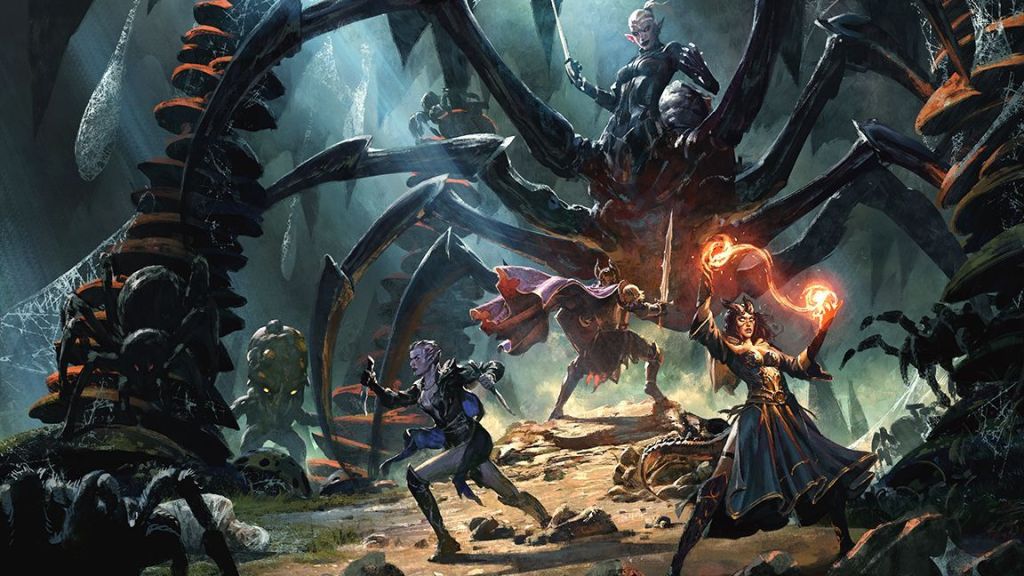
Speaking as a character lowers the stakes. D&D provides structure, predictability, shared attention, and permission to fail. When the pressure drops, expression rises. That’s why quiet people often find their voice at the table.
D&D creates belonging the slow, reliable way: regular meet-ups, shared goals, inside jokes, mutual reliance. You don’t earn your place by being impressive. You earn it by showing up. Being missed when you’re not there does more for mental health than people realise. Failure that doesn’t cost you connection.
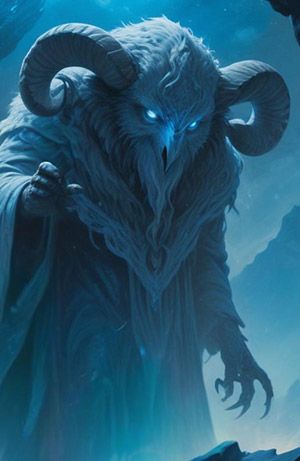
A bad roll can sting, but at a healthy table it doesn’t isolate you. Failure becomes story, not punishment. Shared laughter, not blame. Momentum, not shame.
That teaches a rare lesson: you can fail and still belong. Confidence grows from that.
Not therapy — but still powerful. D&D isn’t therapy, and it shouldn’t try to be. But it does provide emotional rehearsal, social connection, cognitive challenge, and identity exploration.
Sometimes, pretending to be a hero meets needs people didn’t know were unmet.
And that’s why it matters.
Categories: BoardGames, Culture, Gaming


 NERDGEIST