

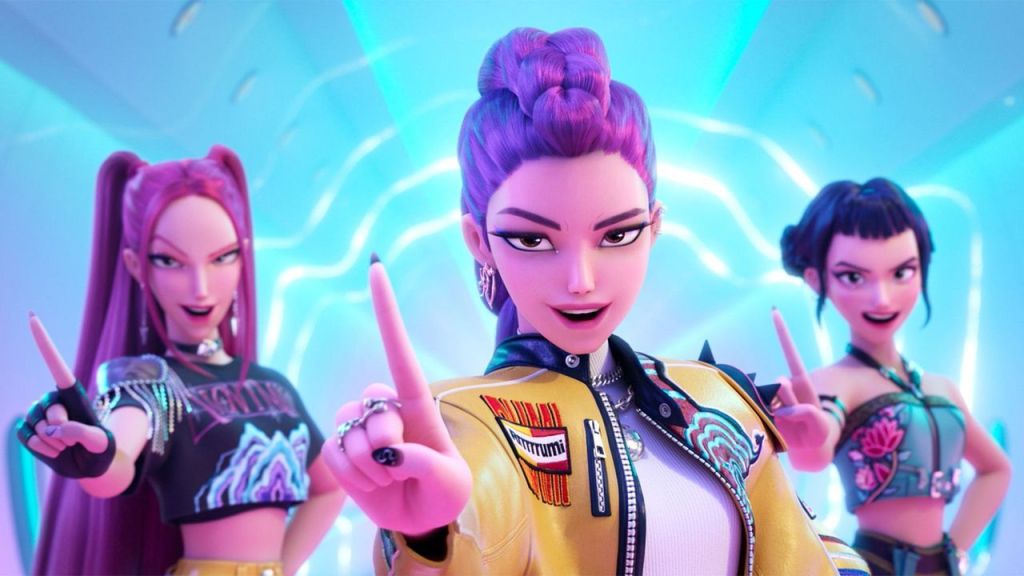
Sony really dropped the ball with this one, K-Pop Demon Hunters might be one of the best movies Netflix has ever put out. And to think Sony had no faith in it. But it got me thinking, why is this film so dam popular?
So I sat down and rewatched it again, for the 5th time and I am still obsessed with this movie.
First off, the film is absolutely gorgeous. Sony Animation is a true rising start and is on track to be to GEN Z what Pixar was to milenials. One moment the film is going for realism, then all of a sudden the characters are full emoting, the character designs are all unique, and I love the little touches like having the Demons move at a different frame rate than the human characters. Mix that with an amazing cast. I’m seriously so glad to see the world waking up to the epic talent that is Arden Cho. But then the film is a low-key musical with an amazing soundtrack that the entire world has just fallen in love with.
Those are all great reasons to love this film but I think we could do better than that.
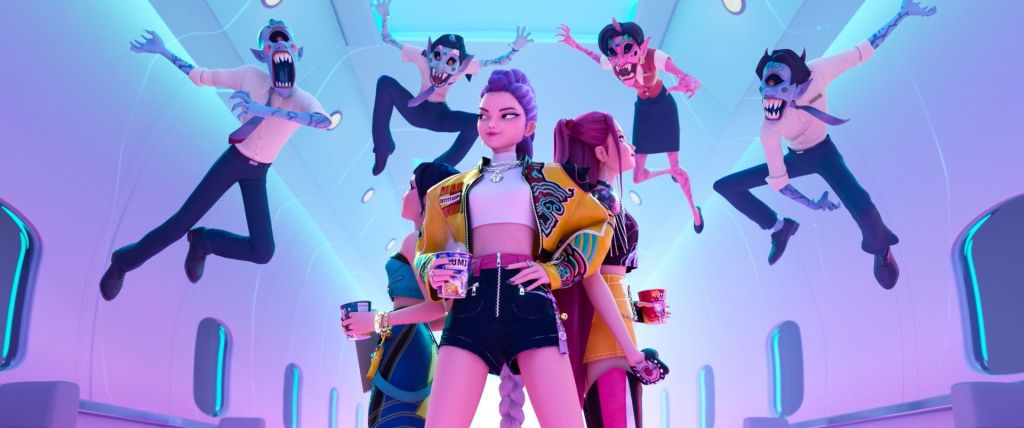
Maybe it’s because I was primed for this kind of story. I was a kid who grew up on movies and tv shows about musical acts doing awesome things like Jem, Stone Protectors, and of course Bill and Ted. Not to mention, I was a huge fan of Buffy the Vampire Slayer, and come on, Buffy and HUNTR/X would absolutely be friends. Any yes again, this is part of it, at least for me.
But I think it’s more. This film taps into something we can all relate to, the urge to hide who we are. I say this in response to the main character of the film Rumi. Rumi is part demon and hides this from her friends and loved ones because she has been raised to do that.
In reality, this created a work driven false self who lacked the ability to be intimate with those most important to her. Erich Fromm, in his 1941 book, The Fear of Freedom, talks about how the pseudo self uses inauthenticality to escape the lonliness of freedom. And we see her lonliness come out multiple times throughout the film.
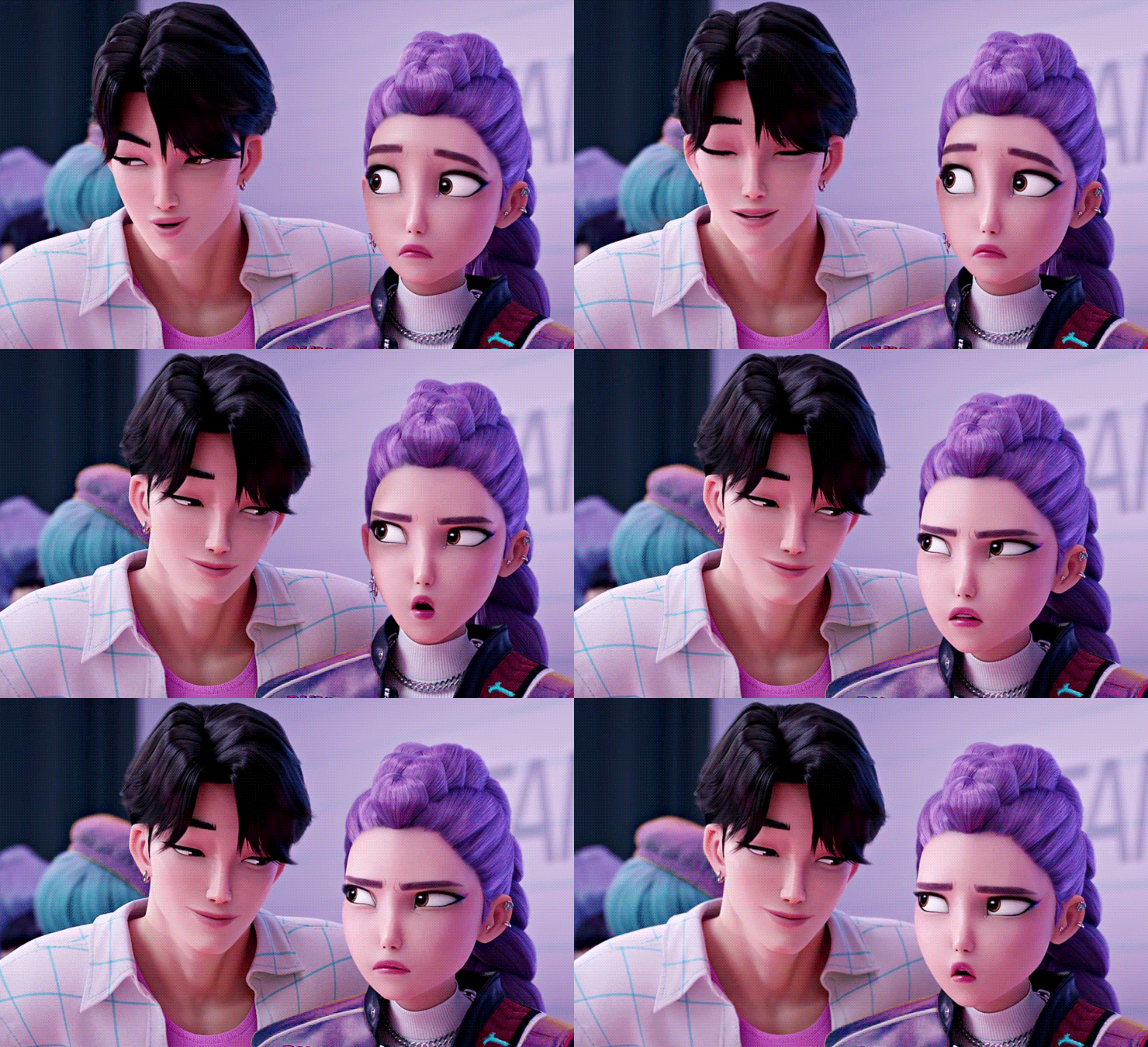
But you can see Rumi embrace freedom during the song “Free”, in this song, Jinu, one of the demons, confronts Rumi about the fact she is part demon. He accepts her for who she is, and the animators do this really subtle que to show us how this is the first time she is comfortable in her skin, by having Jinu and Rumi’s frame rates line up. Its quite beautiful and shows us how there is nothing more powerful than having someone accept us, even if they are a negative influence.
Then the films climax sees the rest of Rumi’s band come together and accept her as well, in a way that Jinu never could. This represents the need to have a family. If we look at Maslows Hierarcy of needs, this is the third tier, representing the need to belong , which leads to having self-esteem and eventually selfactualisation.
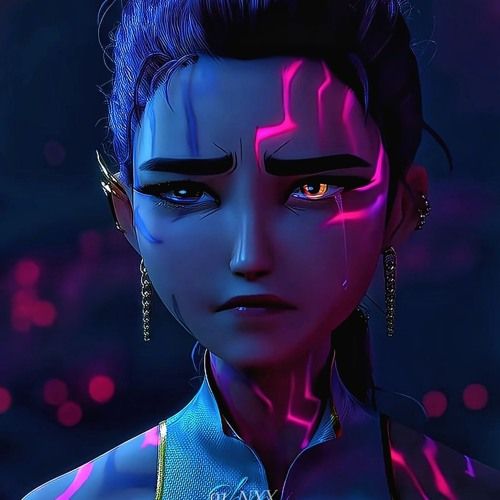
Seeing Rumi go to a bathhouse after the finale with her two best friends / found family is the perfect representation of growing self-esteem. After all, this is a place where you are truly laid bare for those around you, so you gotta be pretty comfortable with who you are to enjoy it.
So why do I think this films struck a chord with the entire world, well ye its about kick ass demon hunters who sing awesome music, but more importantly at its core this film is about being your authentic self and ripping that mask away so you can find true comfort in those around you.
Categories: Films, Music, Musicals, Nerd Bites


 NERDGEIST